
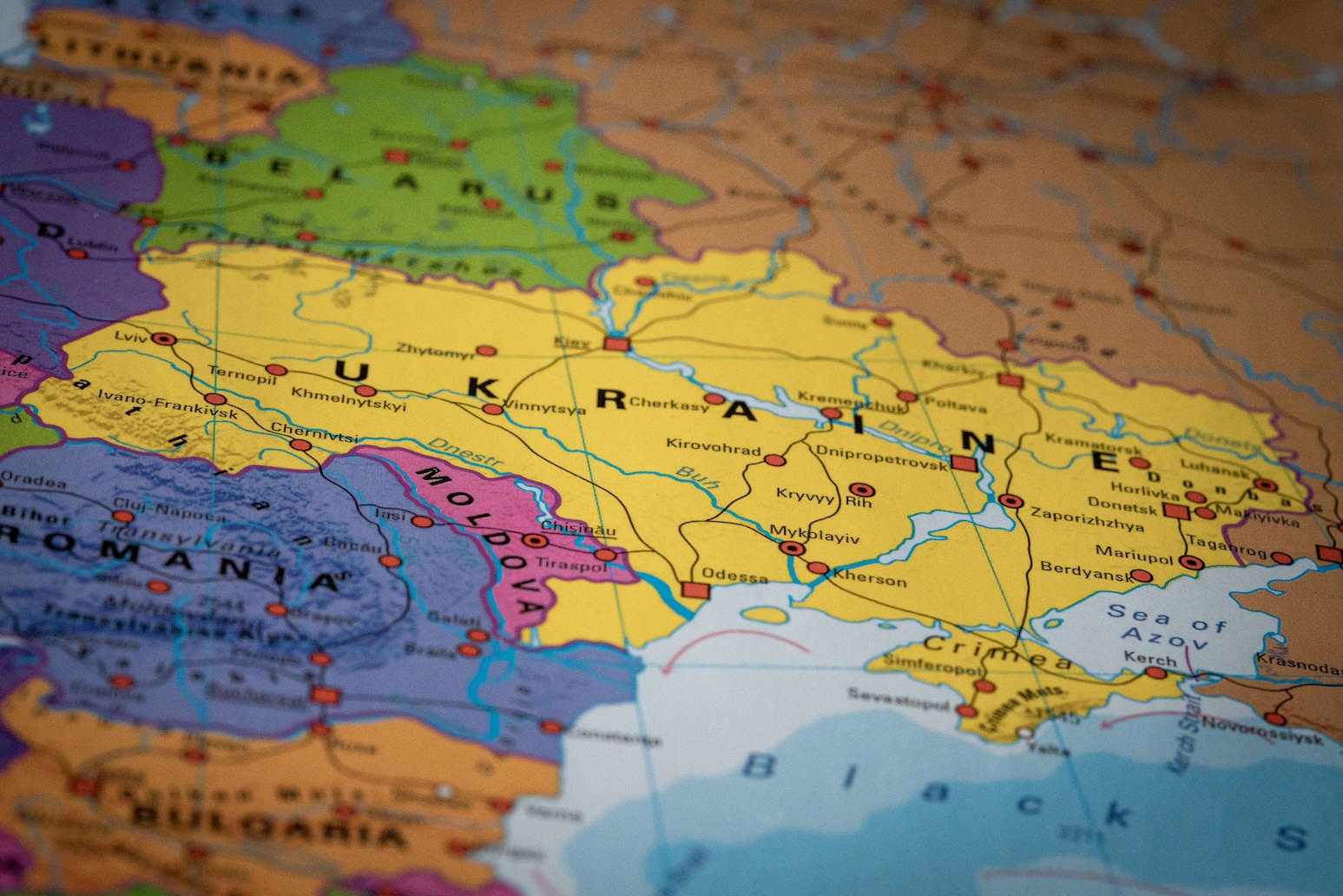
For importers, the Baltics, Eastern Europe and Central Asia combine three things that rarely line up together: EU-grade food safety standards, competitive pricing, and product ranges you can’t source as easily elsewhere. That makes the region a strong, and still under-tapped, option for buyers in North America, Scandinavia, and Australia.
The case in three parts
- EU standards as the baseline. Producers across the EU operate under one of the world’s most demanding food-safety frameworks, which simplifies compliance and de-risks your supply.
- Competitive cost base. Regional production costs let you hit price points that are hard to match from Western Europe, without dropping below EU quality requirements.
- Distinctive ranges. Dairy, confectionery, fish and seafood, grains, and store-cupboard lines with genuine regional character — useful for differentiation, private label, and diaspora demand in your market.
Why a regional partner beats sourcing cold
Knowing the region is valuable; having vetted relationships in it is what saves you time and risk. A local partner already knows which producers can meet export volumes, hold the right certifications, and ship reliably — so you skip the slow, costly trial-and-error of finding that out yourself. That’s what we do on the services page.
FAQ (FAQ schema):
Q: Are Baltic, Eastern European and Central Asian food producers EU-certified? A: Producers within the EU operate under EU food-safety law, and many hold internationally recognized (GFSI-benchmarked) certifications such as BRCGS, IFS, or FSSC 22000. [TE: state the certifications common across your supplier network.]
Q: What food products is the region known for exporting? A: Dairy, confectionery and sweets, fish and seafood, grains, flakes and cereals, and a wide range of packaged store-cupboard goods.
 Russian
  English